
In the mountains of Costa RICA
Meet the Montero Camacho Family
The farm’s history began in the 20th century
Our farm
From our farm to your cup!
At Don Elí, coffee isn’t just a crop; it’s a way of life, shaped by generations of dedication to quality, care for the land, and love for the people behind every bean.
We farm with intention. Our land is nourished naturally by reusing coffee pulp and applying only the necessary amount of fertilizer. Forests are preserved around local watersheds, and our coffee tree pruning is carefully timed to protect local wildlife, especially the birds that nest on our farm.
Energy matters too. That’s why our coffee mill runs on a mix of hydroelectricity and sustainably sourced wood, part of our commitment to doing things the right way, not just the easy way.

Hand-Harvested with Purpose
Harvesting is one of the most critical steps in producing high-quality coffee. Picking cherries at the right time is essential. If beans are harvested too early, their full flavor potential is lost. Even a few unripe beans can affect the flavor profile of an entire batch. That’s why we use strict lot separation, dividing each harvest by tree clusters and timing to create unique microlots with distinct taste profiles for our most quality-focused buyers.

Processing with Precision
Once harvested, the beans must be processed, removing layers of skin, pulp, mucilage, and parchment that surround the bean. We use several processing methods, each creating its own flavor experience:
- Washed Process: The fruit is removed using water. The result is a bright, clean cup with sweetness and complexity, especially from higher elevations.
- Honey Process: The skin and most of the mucilage are removed. This results in coffee with balanced acidity and sweetness, a favorite among coffee lovers.
- Natural Process: The cherry is left intact during drying. This method produces bold, full-bodied coffees with fruity, wine-like notes of prunes, plums, and figs.
Fermentation is a vital part of flavor development. We experiment with various methods to highlight unique profiles:
- Yeast-Inoculated Fermentation uses selected yeasts to enhance complexity and aroma.
- Anaerobic Fermentation takes place in oxygen-free containers filled with carbon dioxide (CO₂), creating unique, often fruit-forward results.

Drying with Patience
Drying is the final, but essential step. During this stage, moisture in the beans is reduced to 10–12% to ensure they’re stable and ready for roasting. We primarily use raised beds, which allow slow and even drying over about 29 days. The beans are spread in thin layers and rotated regularly. When the weather doesn’t cooperate, we use mechanical dryers to protect quality. While sun-dried beans are often preferred, mechanical drying helps us maintain consistency during less ideal conditions.
From the way we care for our soil to how we dry each bean, every step at Don Elí is done with intention. We believe great coffee is grown, not made, and we’re proud to share it with you
Good Payment and Sustainability
At our farms, coffee pickers receive three times the average price paid for harvesting. In addition to that, in June, all harvesters receive a special bonus. We created a nursery where harvesters’ children, as well as mothers with infants, are taken care of and fed a hot meal while their parents or spouses are picking coffee. We also supply packages of rice and beans, or rice and sardines, to every adult in the workers’ families. Children of the workers’ family with outstanding grades are entitled to a scholarship for both elementary and secondary school,l as well as a full scholarship for college education.
General Tour
In our general coffee tour, we offer an introduction to our family coffee history and our processing and environmental impact. You will explore our farm alongside and get a view and explanation of our processing facilities (Wet Mill Station).
Tasting / Cupping Tour
Our extended tasting/cupping tour includes an in-depth look into coffee variety differences, as our tour guide takes you through the tasting process. You will be tasting different coffees and different roasting profiles. The tasting tour also includes a lot of information on coffee processing, roasting, and brewing, along with a guided walk around our farm and facilities.
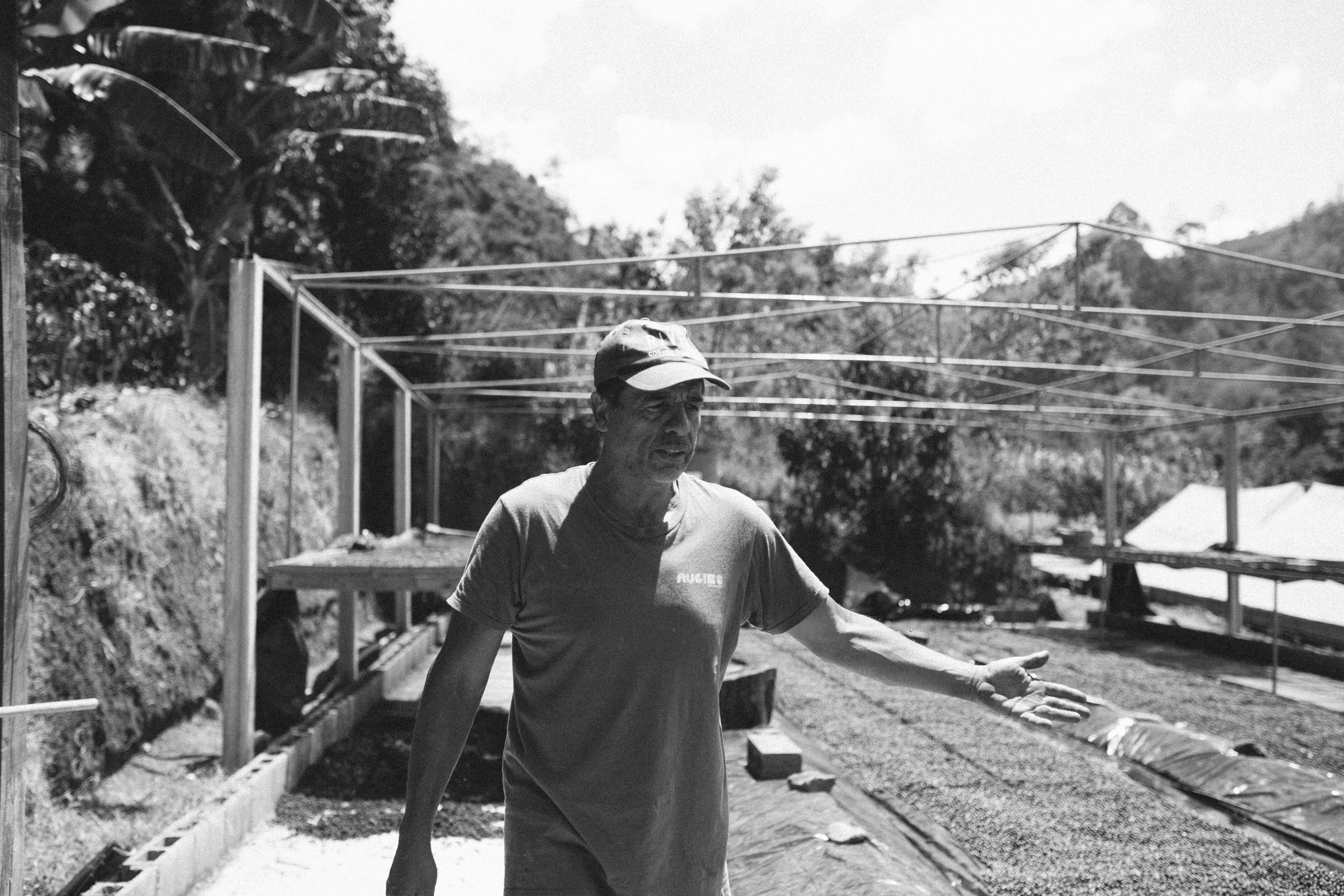
Carlos Montero
Coffee producer

Jacob Montero
Coffee producer